 Pin It
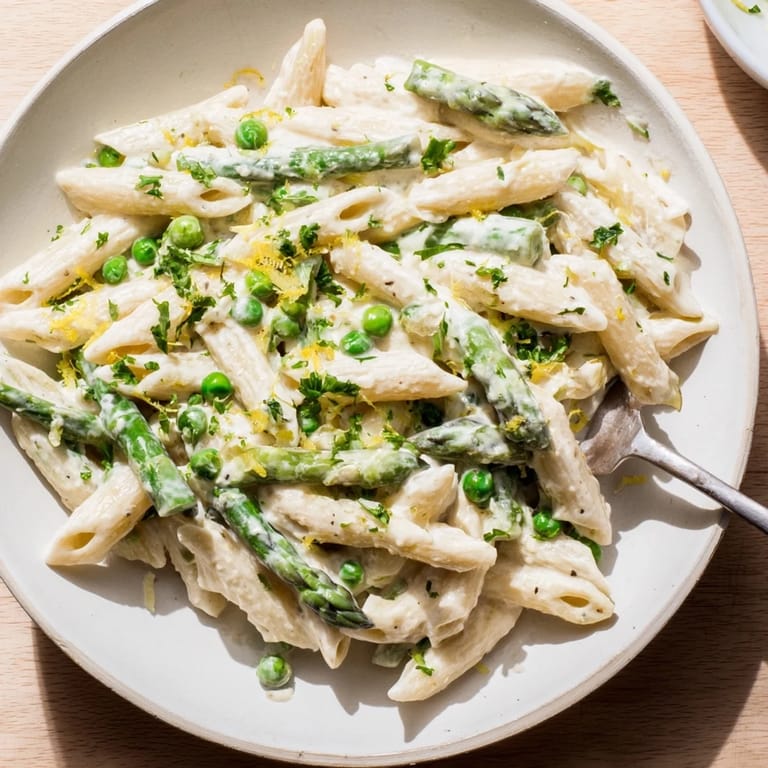
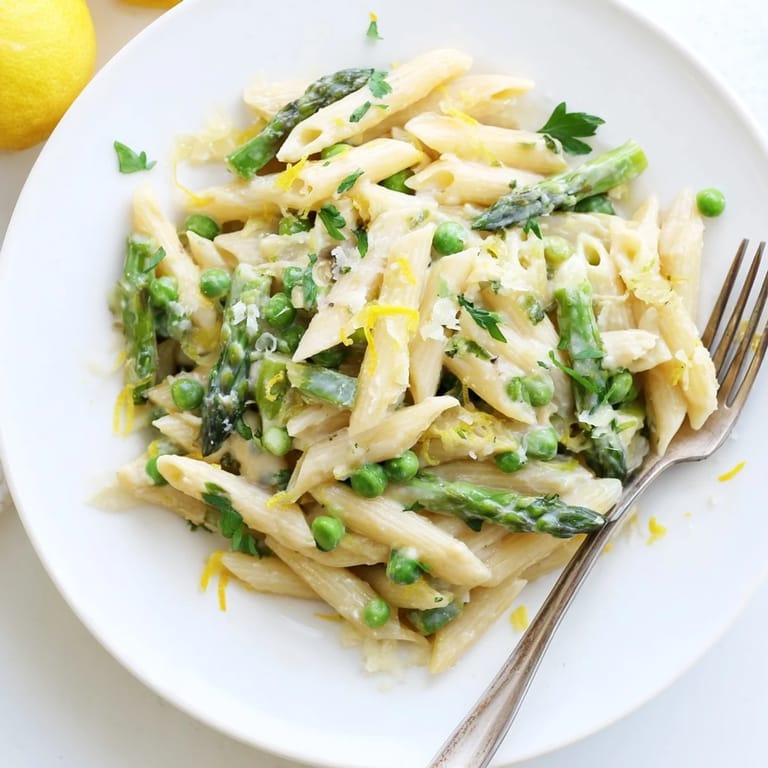
 The first time I made this pasta, I'd just come back from the farmers market with an embarrassingly large bag of spring vegetables. It was one of those cool April mornings where everything still smells like damp earth and possibility. I ended up throwing whatever looked good into the pasta water, and somehow the combination of asparagus, peas, and green beans just clicked. Now it's become the kind of dinner I make when I want something that feels like eating sunshine.
Last spring my sister came over for dinner and I made this on a whim because I hadn't been to the grocery store properly. She took one bite and actually went quiet for a moment, which never happens. We ended up eating the entire batch while leaning against the counter, talking about our grandmother's garden and how she used to make something similar but with way more butter.
Ingredients
- 350 g (12 oz) penne pasta: The ridges catch the sauce perfectly, though fusilli works in a pinch
- 200 g (7 oz) asparagus, trimmed and cut into 2.5 cm pieces: Look for tight, firm spears that snap when you bend them
- 150 g (1 cup) fresh or frozen peas: Fresh peas are worth the effort if you can find them at the market
- 150 g (1 cup) green beans, trimmed and cut into 2.5 cm pieces: Haricots verts stay tender longer than regular green beans
- 2 tbsp olive oil: A fruity, grassy olive oil makes a difference here
- 3 cloves garlic, finely minced: Don't use pre-minced garlic, fresh is absolutely non-negotiable
- 60 ml (1/4 cup) vegetable broth: This creates depth without overwhelming the delicate vegetables
- 120 ml (1/2 cup) heavy cream: I've tried making this lighter, but the cream really ties it together
- 60 g (2/3 cup) freshly grated Parmesan cheese: Buy a wedge and grate it yourself, the pre-grated stuff doesn't melt properly
- 1/2 tsp freshly ground black pepper: Grind it right before you add it
- 1/4 tsp salt (or to taste): The cheese adds saltiness, so taste before adding more
- Zest of 1 lemon: Use a microplane if you have one, you want just the yellow part
- 1 tbsp fresh lemon juice: Add this last and taste, the acidity level is personal
Tired of Takeout? 🥡
Get 10 meals you can make faster than delivery arrives. Seriously.
One email. No spam. Unsubscribe anytime.
Instructions
- Get your pasta water going:
- Bring a large pot of salted water to boil and cook the penne until it's just al dente, then reserve that pasta water like it's liquid gold
- Build your flavor base:
- Heat the olive oil in your biggest skillet over medium heat and let the garlic sizzle for about a minute until your kitchen smells amazing
- Cook the vegetables just right:
- Add the asparagus, green beans, and peas, then sauté for 3 to 4 minutes until they're tender but still bright green
- Create the sauce base:
- Pour in the vegetable broth and let it bubble for 2 minutes while you lower the heat
- Make it creamy:
- Stir in the heavy cream and Parmesan, then keep stirring until the cheese melts completely into a smooth, glossy sauce
- Bring it all together:
- Add the cooked pasta to the skillet and toss everything together, using the reserved pasta water if the sauce needs loosening up
- Season to perfection:
- Finish with the black pepper, salt, lemon zest, and lemon juice, then toss one more time
- Plate it like you mean it:
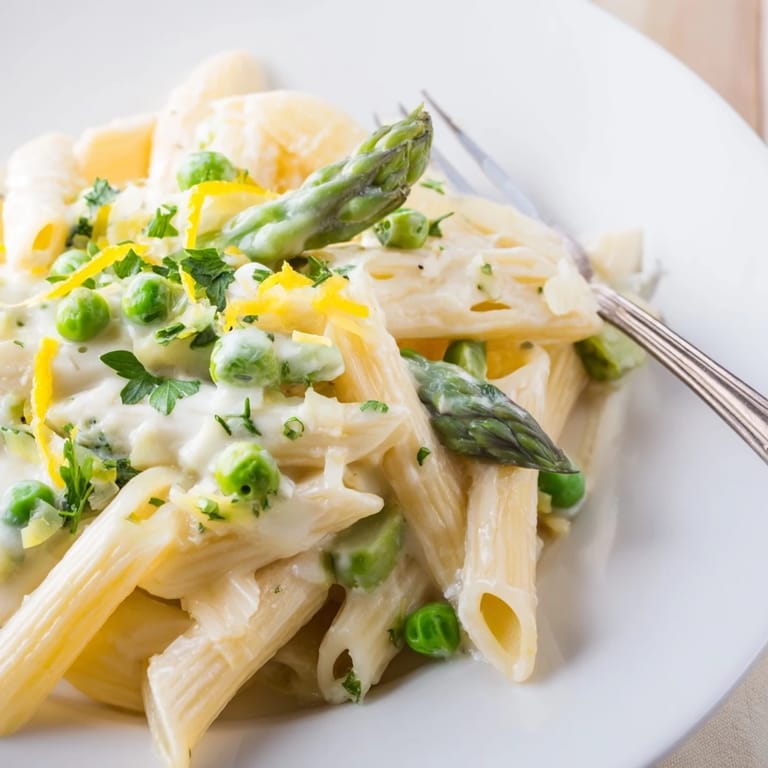
- Serve right away with extra Parmesan scattered on top and some fresh herbs if you remembered to buy them
 Pin It
 This recipe became our go-to for impromptu dinner parties because it looks impressive but is actually pretty forgiving. Last month my neighbor asked for the recipe after smelling the garlic through our open windows, and now she makes it every Sunday for meal prep.
Making It Your Own
I've learned that this pasta is incredibly adaptable based on what's in season or languishing in your crisper drawer. Sometimes I swap in sugar snap peas or add handfuls of baby spinach at the very end. The key is keeping the vegetables roughly the same size so they cook evenly and maintaining that cream-to-acid balance in the sauce.
Timing Everything Perfectly
The biggest challenge with this recipe is getting the pasta and vegetables done at the same time without anything getting cold or mushy. I start my water first, then prep all the vegetables while it heats up. By the time the pasta goes in, everything else is ready to go. The sauce comes together in just a few minutes, so have your ingredients measured and within arm's reach before you start cooking.
Leftovers That Actually Work
Unlike a lot of cream-based pasta dishes, this reheats beautifully if you don't mind the vegetables softening a bit. I actually think the flavors meld together even more overnight. When reheating, add a splash of water or milk and warm it gently over low heat, stirring often. The sauce might look separate at first but will come back together as it heats.
- This pasta is best eaten the same day but keeps well for up to 3 days in the refrigerator
- If you know you're meal prepping, slightly undercook the vegetables so they don't get mushy
- Fresh herbs should be added right before serving, never before storing
 Pin It
 There's something so satisfying about a recipe that celebrates vegetables without making them feel like an obligation. This pasta is proof that simple ingredients, treated right, can be the most comforting meal of all.
Recipe Questions
- → Can I make this dish ahead of time?
This dish is best served immediately while the sauce is creamy and vegetables retain their bright color. If preparing ahead, undercook the vegetables slightly and reheat gently with a splash of cream or pasta water to restore sauce consistency.
- → What other vegetables work in this pasta?
Sugar snap peas, snow peas, or diced zucchini make excellent additions. You can also add baby spinach or arugula at the end for extra greens. Adjust cooking times based on vegetable thickness.
- → How do I prevent the sauce from separating?
Keep heat low when adding cream and cheese, stirring constantly. Remove from heat once cheese melts. If sauce appears too thick, the reserved pasta water helps create a silky consistency and emulsifies everything beautifully.
- → Can I use different pasta shapes?
Farfalle, fusilli, or rotini work wonderfully as they catch the sauce in their crevices. Short pasta with ridges or tubes holds the creamy garlic-Parmesan sauce exceptionally well.
- → How do I store and reheat leftovers?
Store in an airtight container in the refrigerator for up to 3 days. Reheat gently on the stove with a splash of cream or broth, adding more as needed to restore creamy texture. Avoid high heat which can cause sauce to separate.
- → What can I use instead of heavy cream?
Half-and-half creates a lighter sauce while maintaining creaminess. For a dairy-free option, use full-fat coconut cream or cashew cream, though the flavor profile will change slightly.